

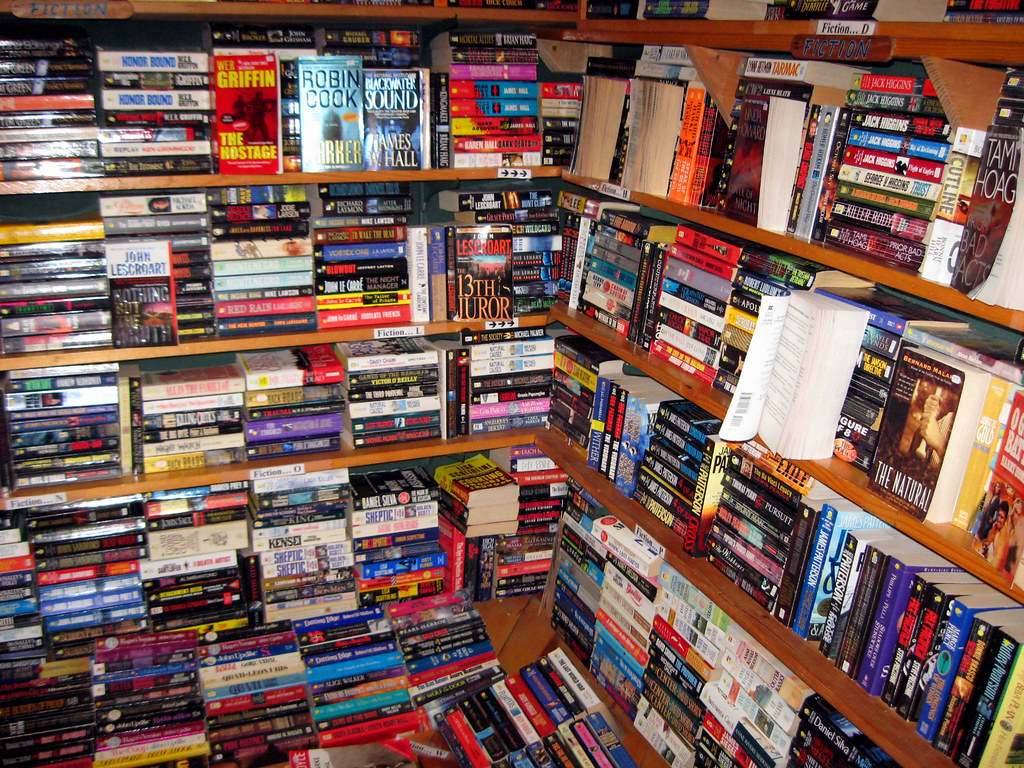
AI has become a big topic in recent years as ChatGPT and genAI have become more accessible to the general public. It has given them the tools to create art, novels, films and music, where before they might not have had the skill set to do so. There are many benefits to AI as it can automate time consuming tasks, allowing for humans to spend more time doing other productive activities and a lot of time doesn’t need someone to be there to run the program. People think that AI and the machines are going to take our jobs when in fact they can’t really live without us. Take, for example, the self-checkout at Walmart. There was an uproar when it was announced that Walmart was going to be reducing cashier lanes and replacing them with self-checkouts. While at first the need for cashiers dwindled, we saw a different job spring forth. A self-checkout attendant, someone who can check IDs and prices, who can override scanning discrepancies, and for general shop lifting deterring. One job wasn’t necessarily replaced, it just evolved with the changing technology.
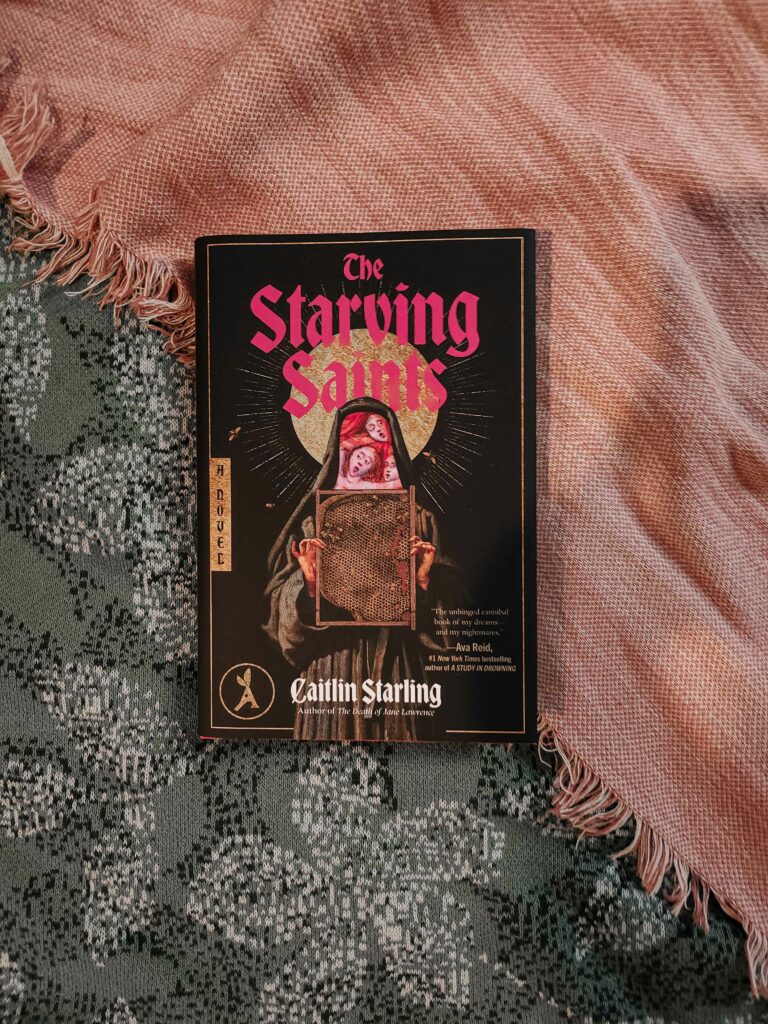
Now, you may be wondering, “Izzy, how are these tools useful to authors and how does using them affect authors?” Great question! With any job or hobby, AI has made it so much easier! A lot goes into being an author, you have to come up with a concept, plot an outline, design your characters, write the story, edit, and get it published. Not to mention, designing a cover (if you’re indie, most publishers handle that) and finding someone to narrate the book! All of this can be done with AI. Tools have been created to make writing easier like Squibler, where you feed it an idea and it’ll write it for you, instead of having a unique voice, it’s just a generic robot mimicking human conventions. Dall-e and ChatGPT can be used to create character art or a book cover at low cost, making the writing space a lot more accessible to those that don’t have the money. This all sounds like a great thing, right? AI tools like ChatGPT and genAI are stealing artwork and books to train them to look for patterns to help them generate content. Earlier this year, Meta (Facebook, Instagram, etc) admitted to using pirated books to train their AI (pirated books are a subject for another time).
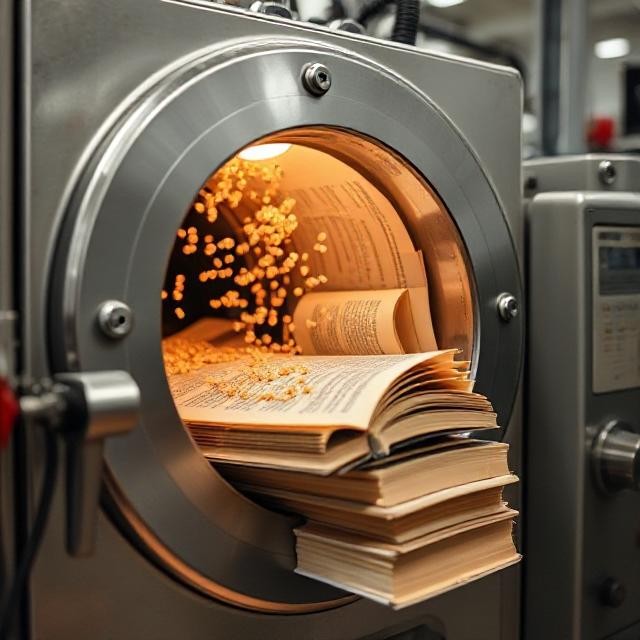
Authors are also discovering that their works are being used to train AI by asking them for a summary of their book and spitting out a synopsis that resembles a real summary of their books. AI tools can make our jobs and hobbies feel more accessible and proficient but in the end, it drains the creativity, and what makes it feel human, out of it.