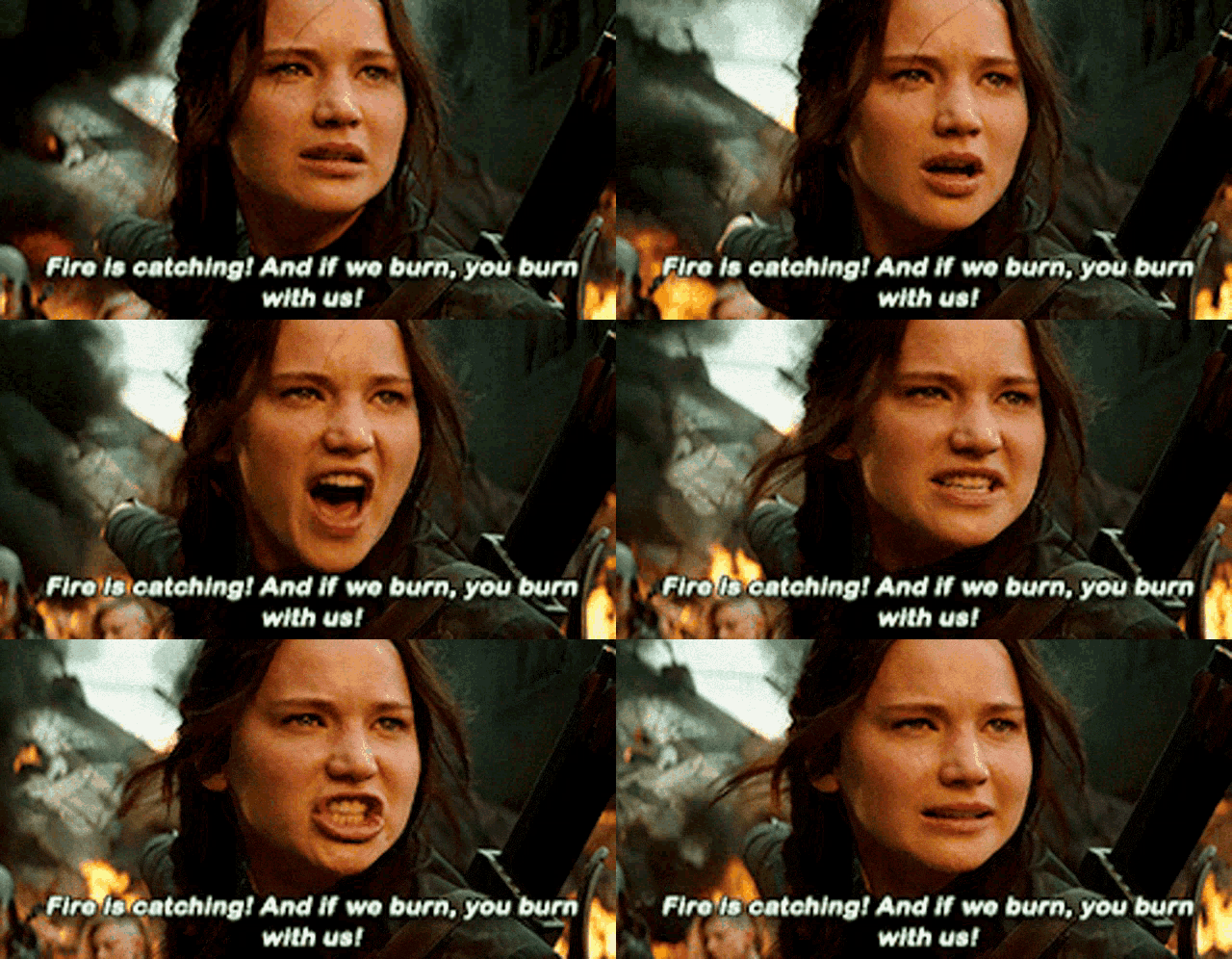

In book spaces, there has been a debate on whether or not books are considered political or not. Some say that books are an escape and are meant to be seen as fun with no meaning behind it. While others say it’s reflective of the times and is political, giving us a glimpse of protagonists that are fighting an unjust government or entity to create a better future for the next generation.
Last year, I did a rereading of one of my favorite book trilogies, The Hunger Games by Suzanne Collins. This year, I rewatched the movies and it has a shocking parallel to the current political climate that we’re facing. If you’ve never read or watched The Hunger Games, it’s about a young girl named Katniss Everdeen who lives in an alternate dystopian world named Panem, where children aged 12-18 are selected to participate in an event called the Hunger Games.
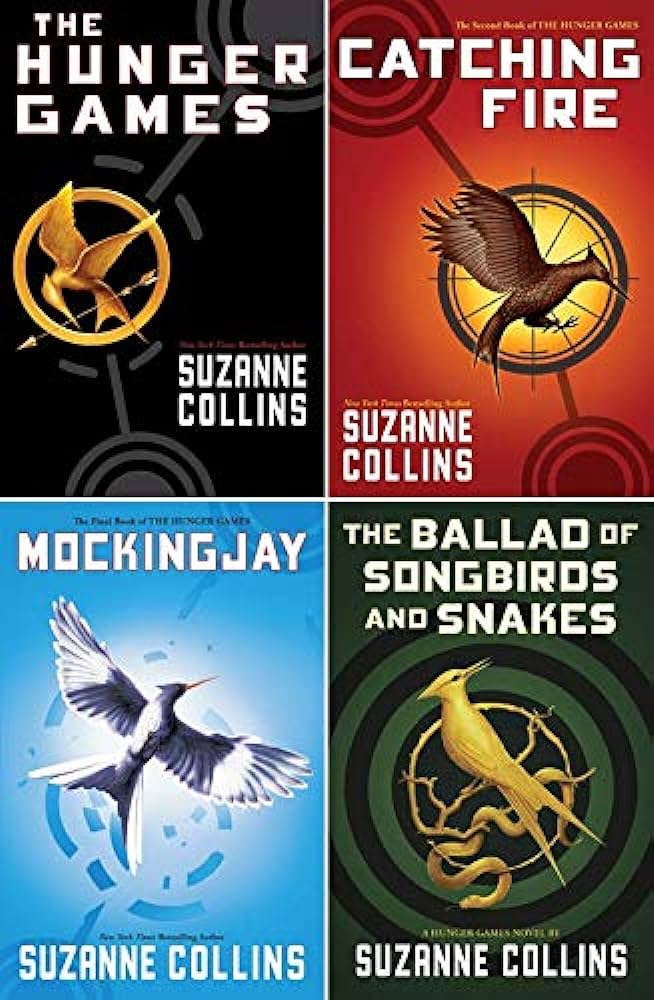
What are the Hunger Games? Children are placed in an unknown arena and fight to the death, where one child emerges victor and is taken care of for the rest of their life. Katniss’ sister, Primrose, is chosen and she volunteers to take her place. While there is debate on whether media like The Hunger Games is political, there are many themes that are shown throughout both the books and movies that say that it is.
Taking a look at the themes that are presented to us throughout the series, we can draw a parallel between real life and this fictional world and how they represent entertainment.
The Hunger Games are supposed to be a punishment for the twelve districts after a failed rebellion against the Capitol. But through the eyes of the Capitol, the games are a form of entertainment. They dress the tributes up, parade them around, and in the games, they can provide support through gifts like food, medicine, and survival tools. They are able to detach themselves from the tributes because they aren’t having to go through it and it doesn’t affect them on a personal level. We see this today in how we view reality TV shows. Viewers are entertained by the drama, the sometimes violent altercations between the characters on the show, and who likes who. At the end of the day, we are not affected by what is shown on TV, we are entertained. Residents in the Capitol see tributes in the same way. They romanticize the stories that play out, offer their monetary support, bet on who wins, and cry when their favorites die. Readers and viewers of the series also show this parallel, we want more from the world, more stories, more movies, just like the Capitol.
It also shows a disdain for the working class. Each year, a child’s name from the district is entered into a pool of other children. Their first year, at age eleven, they are entered once and it’s entered an extra time each year after. But if your family is in need of rations, you can enter your name more times but it increases the chances of you being picked. Poor families are more likely to have a child chosen because they are in more need. While in other, more wealthy districts, children are more likely to volunteer to participate in the games for the glory of winning. Wealthier districts tributes are also trained to survive in the Hunger Games (even though technically it’s against the rules), while districts in poverty don’t have that chance. It’s a system rigged against the poor, working classes of Panem. In the real world, there is a divide between the working class and wealthy individuals. They are given more freedom and are able to feed their family without hardship. They can say what they want with little to no fallout. The rich don’t have to be on welfare or food stamps to survive.
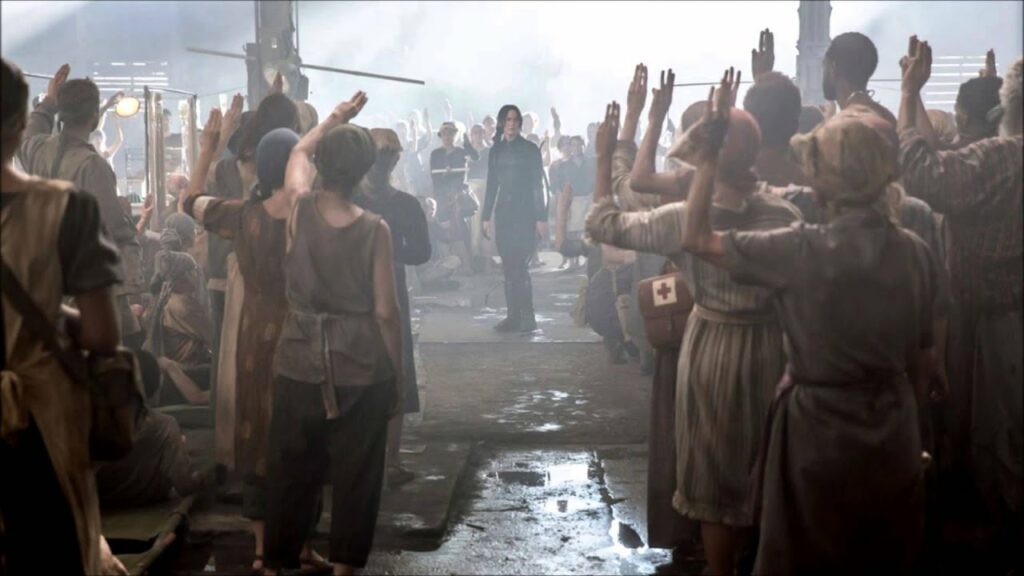
There are many parallels between The Hunger Games and real life. Many themes throughout the series like classicism, ethics of entertainment, and distrust in authority like the government can be seen today. It’s a book series that is political despite how others may feel about it.